Blackhead Extractions That Will Mesmerize You

Blackhead Extractions That Will Mesmerize You. Blackheads, also known as open comedones, are a common skin concern that many individuals face. They occur when hair follicles become clogged with excess oil, dead skin cells, and other debris.

When the clogged pore is exposed to air, it oxidizes, turning black in color. While blackheads most commonly appear on the face, especially around the nose and chin, they can also form on the back, chest, and shoulders.

Deep blackheads are particularly stubborn, as they develop deep within the pores. These blackheads can be more difficult to treat compared to superficial ones, but with the right approach and consistent skincare routine, it’s possible to remove them and achieve smoother, clearer skin.

This article explores effective solutions for deep blackhead removal, from professional treatments to at-home remedies.

Causes of Deep Blackheads

Before diving into the solutions, it’s important to understand the factors that contribute to deep blackhead formation. These include:

Excess Oil Production: Overactive sebaceous glands can produce too much oil, which can clog pores.

Dead Skin Cells: When skin cells do not shed properly, they can mix with oil and other impurities, leading to blockages.

Hormonal Changes: Fluctuations in hormones, particularly during puberty, menstruation, or stress, can increase oil production.

Improper Skin Care: Using harsh skincare products or not cleansing the skin adequately can exacerbate blackhead formation.

Environmental Factors: Exposure to pollution, dirt, and chemicals can contribute to pore congestion.

Professional Treatments for Deep Blackhead Removal

If deep blackheads persist despite home care efforts, there are several professional treatments available that can help eliminate them effectively:

1. Extractions by a Dermatologist or Esthetician

Professional extraction is a safe and effective method for removing deep blackheads. A dermatologist or licensed esthetician uses specialized tools to carefully extract the contents of the clogged pores.

This method minimizes the risk of scarring or irritation and ensures the procedure is done in a sterile environment.

2. Chemical Peels

Chemical peels use exfoliating acids like glycolic acid or salicylic acid to break down dead skin cells and unclog pores.

A deep chemical peel can penetrate the skin more effectively, helping to clear deep-seated blackheads. Depending on the severity of the blackheads, dermatologists may recommend mild to strong chemical peels.

3. Laser Treatments

Laser therapy, such as fractional CO2 lasers or laser resurfacing, can be used to treat deep blackheads. These treatments work by penetrating the skin to remove the buildup of oil and dead skin, while also stimulating collagen production for smoother skin. Laser treatments tend to be more expensive but offer long-lasting results.

4. Microdermabrasion

Microdermabrasion uses tiny exfoliating crystals to slough off dead skin cells, which helps clear pores and reduce the appearance of blackheads. This treatment is usually done in a dermatologist’s office and can be effective for deep blackheads when combined with other methods.

At-Home Solutions for Deep Blackhead Removal

While professional treatments are highly effective, several at-home solutions can help manage and prevent deep blackheads. Here are some proven methods:

1. Salicylic Acid-Based Products

Salicylic acid is a beta-hydroxy acid (BHA) that penetrates deep into the pores to break down excess oil and exfoliate dead skin cells. Incorporating salicylic acid-based cleansers, toners, or spot treatments into your routine can help prevent the formation of deep blackheads.

2. Retinoids

Retinoids, such as retinol or tretinoin, are Vitamin A derivatives that promote cell turnover and unclog pores.

By regularly using a retinoid product, you can effectively prevent the buildup of debris and dead skin cells, which contribute to the formation of blackheads. Retinoids may cause initial dryness or irritation, so it’s important to use them gradually.


Clay masks, particularly those containing bentonite or kaolin clay, are known for their ability to absorb excess oil and draw out impurities from the skin.

Applying a clay mask once or twice a week can help unclog deep blackheads and reduce the appearance of pores. Make sure to follow up with a moisturizer, as clay masks can be drying.

4. Exfoliation

Regular exfoliation helps remove dead skin cells and prevent clogged pores. Physical exfoliants (scrubs) or chemical exfoliants (like AHA and BHA) can both be used to gently exfoliate the skin. However, over-exfoliating can irritate the skin, so it’s important to find a balance that works for your skin type.

5. Pore Strips

Pore strips are another popular option for temporarily removing blackheads. These strips adhere to the skin and pull out debris when removed. While pore strips can offer immediate results, they don’t prevent blackheads from returning and may cause irritation or damage to sensitive skin if used frequently.

6. Tea Tree Oil

Tea tree oil has natural antimicrobial properties that can help reduce acne-causing bacteria. Using diluted tea tree oil as a spot treatment can help prevent and treat blackheads. However, it’s important to patch-test tea tree oil on a small area first to check for any allergic reactions.

Preventing Deep Blackheads

While removing existing blackheads is essential, preventing new ones from forming is crucial to maintaining clear skin. Here are some preventive tips:

Follow a Consistent Skincare Routine: Regular cleansing, exfoliating, and moisturizing are key to preventing blackheads. Cleanse your skin twice a day to remove excess oil and dirt.

Avoid Touching Your Face: Touching your face can transfer bacteria, oil, and dirt, which can contribute to pore congestion.

Choose Non-Comedogenic Products: Look for skincare and makeup products labeled as “non-comedogenic,” meaning they are less likely to clog pores.

Maintain a Healthy Diet: Eating a balanced diet with plenty of fruits and vegetables can help regulate oil production and improve skin health.

Deep blackheads can be a frustrating skin concern, but with the right approach, they can be effectively treated and prevented. Whether you choose professional treatments or opt for at-home solutions, consistency is key.

From salicylic acid and retinoids to professional extractions and laser therapy, there are many options available to help you achieve clearer, smoother skin. Always remember to follow a proper skincare routine to maintain the health of your skin and prevent the recurrence of deep blackheads.
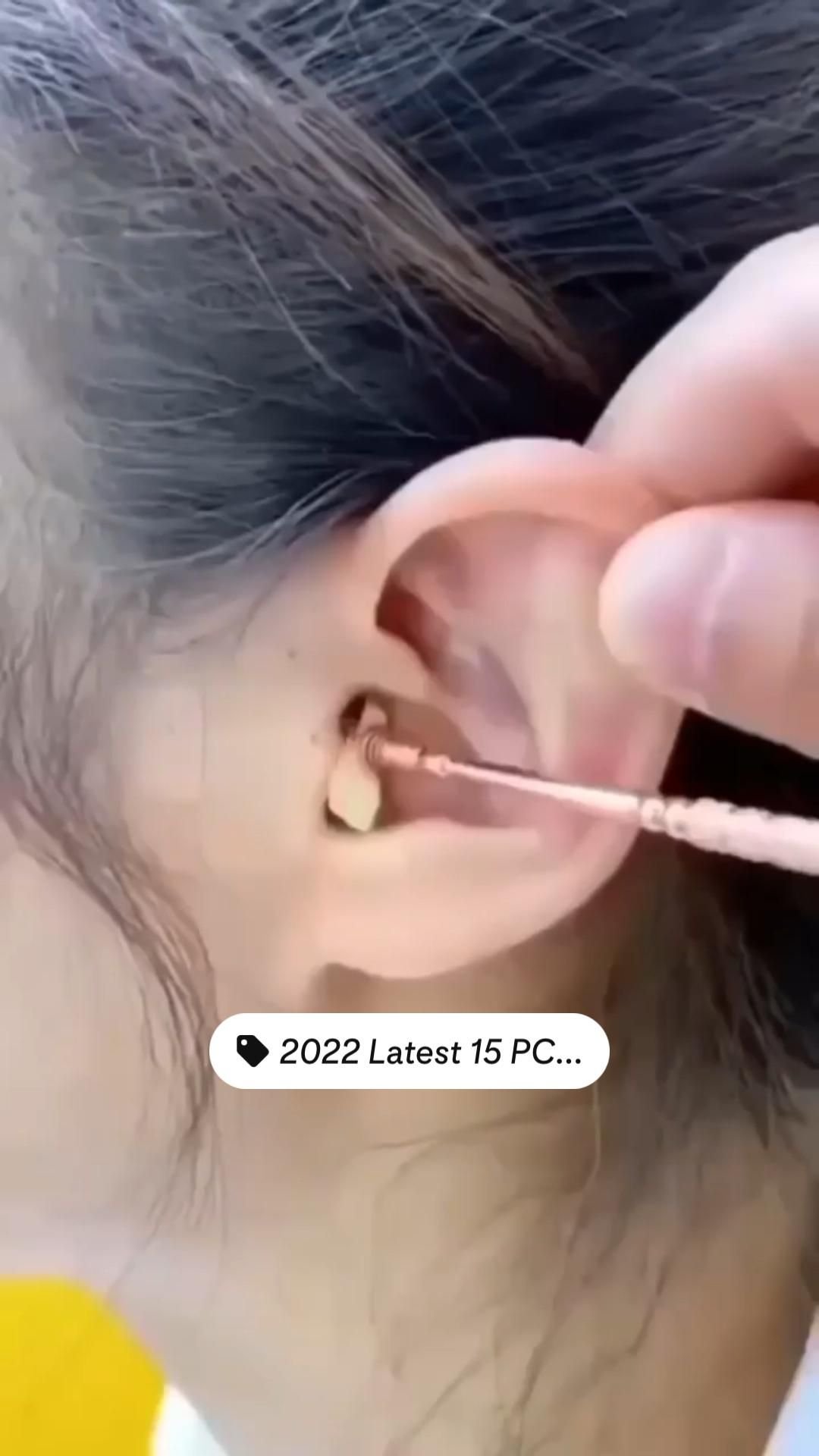
Incredibly Satisfying Blackhead Removal Compilation!

The Ultimate Guide to Satisfying Blackhead Removal: Tips, Tricks, and Home Remedies. Blackheads are one of the most common skincare concerns, affecting people of all ages. These tiny, clogged pores can be stubborn, but with the right techniques, you can achieve clear, smooth skin.

If you enjoy the satisfaction of removing blackheads, this guide will provide you with safe and effective methods, tools, and home remedies to keep your skin blackhead-free.

What Are Blackheads?

Blackheads are a type of acne caused by clogged hair follicles. They occur when dead skin cells, oil, and bacteria accumulate in the pores and oxidize upon exposure to air, giving them their dark appearance. Unlike whiteheads, blackheads remain open, making them easier to extract.

The Best Ways to Remove Blackheads

1. Manual Extraction

Professional dermatologists and estheticians use specialized tools to extract blackheads safely. If you attempt extraction at home, follow these steps:

  • Start with a warm steam treatment to open your pores.
  • Use a sanitized comedone extractor to gently press around the blackhead.
  • Avoid excessive pressure to prevent skin damage and scarring.
  • Finish with a toner or witch hazel to tighten pores and reduce inflammation.

2. Pore Strips

Pore strips provide instant gratification by lifting blackheads from the skin. However, they don’t prevent future blackheads and can sometimes cause irritation. Use them occasionally for a quick fix but combine them with a long-term skincare routine.

3. Chemical Exfoliation

Using chemical exfoliants like salicylic acid or glycolic acid can help prevent and remove blackheads:

Salicylic Acid: A BHA (Beta Hydroxy Acid) that penetrates deep into pores to dissolve excess oil and dead skin.

Glycolic Acid: An AHA (Alpha Hydroxy Acid) that exfoliates the surface of the skin, promoting cell turnover.

Retinoids: Vitamin A derivatives that unclog pores and prevent new blackheads from forming.

4. Clay and Charcoal Masks

Clay and charcoal masks absorb excess oil, dirt, and impurities from the skin, helping to prevent blackheads. Apply a mask once or twice a week to keep pores clear and minimize buildup.

5. DIY Home Remedies

If you prefer natural treatments, try these effective home remedies:

Baking Soda Scrub: Mix baking soda with water to create a gentle exfoliating paste.

Honey and Cinnamon Mask: A natural antibacterial treatment that helps unclog pores.

Green Tea Toner: Rich in antioxidants, green tea reduces oil production and soothes inflammation.

Lemon and Sugar Scrub: A natural exfoliator that brightens skin and removes dead cells.

Preventing Blackheads

To maintain clear skin, follow these preventative tips:

Cleanse Regularly: Wash your face twice a day with a gentle cleanser suited to your skin type.

Moisturize: Hydrated skin produces less excess oil, reducing the likelihood of clogged pores.

Use Non-Comedogenic Products: Choose skincare and makeup products that won’t clog your pores.

Avoid Touching Your Face: Bacteria from your hands can worsen blackheads and acne.

Exfoliate Weekly: Regular exfoliation prevents buildup and keeps skin smooth.

The Satisfaction of Blackhead Removal

Watching blackheads disappear can be incredibly satisfying, but it’s essential to use safe and effective techniques. Over-extraction or aggressive treatments can damage your skin, leading to irritation and scarring. Stick to a consistent skincare routine to enjoy long-term results.

Conclusion

Blackhead removal can be a satisfying experience when done correctly. Whether you prefer manual extraction, pore strips, chemical exfoliation, or natural remedies, the key is to keep your pores clean and maintain a solid skincare routine.

By following these methods, you’ll achieve clearer, healthier skin with fewer blackheads over time.

Would you like to see specific product recommendations or additional skincare tips? Let us know!

The Ultimate Guide to Removing Giant Blackheads: Effective Techniques and Prevention Tips

The Ultimate Guide to Removing Giant Blackheads: Effective Techniques and Prevention Tips

Blackheads are a common skin concern that many people struggle with, but when they grow larger and more stubborn, they become what we call giant blackheads. These oversized clogged pores can be unsightly and difficult to remove, often requiring more than just basic skincare routines.

In this comprehensive guide, we will explore everything you need to know about giant blackheads, including their causes, effective removal methods, and the best prevention strategies to maintain clear and healthy skin.

What Are Giant Blackheads?

Giant blackheads, also known as macrocomedones, are enlarged clogged pores filled with oil (sebum), dead skin cells, and debris. Unlike typical blackheads, which are relatively small, these can be significantly larger and more challenging to remove.

When exposed to air, the oil and debris inside the pore oxidize, turning black. They are often found on the face, back, chest, and even behind the ears.

Causes of Giant Blackheads

Several factors contribute to the development of giant blackheads:

Excess Sebum Production – People with oily skin are more prone to blackheads due to the overproduction of sebum, which clogs pores.

Poor Skincare Routine – Inadequate cleansing and exfoliation can lead to the buildup of dead skin cells, increasing the likelihood of clogged pores.

Hormonal Changes – Fluctuations in hormones, especially during puberty, pregnancy, and menopause, can lead to increased oil production.

Environmental Factors – Pollution, dirt, and sweat can accumulate on the skin, making blackheads more likely to form.

Use of Comedogenic Products – Skincare and makeup products that clog pores can contribute to blackhead formation.

Best Methods for Removing Giant Blackheads

While smaller blackheads can often be removed with simple at-home remedies, giant blackheads require more intensive treatments. Here are the most effective methods to safely and effectively remove them:

1. Steam and Exfoliation

One of the simplest and safest ways to remove giant blackheads is by using steam and exfoliation to soften the debris inside the pores and facilitate their removal.

How to Do It:

Fill a bowl with hot water and place your face above it, covering your head with a towel to trap the steam.

Steam your face for about 5-10 minutes to open up the pores.

Use a gentle exfoliating scrub or a facial brush to remove dead skin cells and loosen the blackheads.

2. Pore Strips

Pore strips can help remove surface-level blackheads, although they may not be as effective for deep, giant blackheads.

How to Use Pore Strips:

Wet your nose or affected area and apply the strip.

Wait for it to dry (usually 10-15 minutes).

Peel it off gently, removing blackheads and dirt along with it.

3. Manual Extraction with a Comedone Extractor

For stubborn giant blackheads, a comedone extractor tool can be used to apply controlled pressure and extract them.

Steps for Safe Extraction:

Sanitize the extractor tool with alcohol.

Place the loop around the blackhead and apply gentle pressure until the debris comes out.

Clean the area with an antiseptic solution to prevent infection.

4. Chemical Exfoliation (Salicylic Acid and Glycolic Acid)

Chemical exfoliants can help break down the debris inside clogged pores and prevent new blackheads from forming.

Best Products to Use:

Salicylic Acid (BHA): Helps dissolve oil buildup and unclog pores.

Glycolic Acid (AHA): Removes dead skin cells and promotes faster cell turnover.

5. Professional Extraction by a Dermatologist

If the blackhead is too large or painful, visiting a dermatologist is the safest option. A professional can use sterile instruments to remove the blackhead without damaging the surrounding skin.

Home Remedies for Giant Blackheads

If you prefer natural solutions, here are some effective home remedies:

1. Baking Soda Scrub

Baking soda acts as an exfoliant and helps remove blackheads naturally.

How to Use:

Mix 1 tablespoon of baking soda with a few drops of water to form a paste.

Gently massage it onto the affected area for a few minutes.

Rinse with lukewarm water and apply a moisturizer.

2. Honey and Cinnamon Mask

Honey has antibacterial properties, while cinnamon improves circulation, helping to unclog pores.

How to Apply:

Mix 1 teaspoon of cinnamon with 2 tablespoons of honey.

Apply it to the blackhead-prone area and leave it on for 15 minutes.

Rinse with warm water.

3. Clay Masks

Clay masks, especially those containing bentonite or kaolin clay, help absorb excess oil and remove blackheads.

How to Use:

Apply the clay mask to your face and let it dry for 15-20 minutes.

Rinse off with warm water and apply a light moisturizer.

How to Prevent Giant Blackheads

Prevention is key when it comes to blackheads. Follow these tips to maintain clear skin:

Cleanse Twice Daily – Wash your face in the morning and before bed with a gentle, non-comedogenic cleanser.

Exfoliate Regularly – Use a mild exfoliant 2-3 times a week to prevent clogged pores.

Use Non-Comedogenic Products – Choose skincare and makeup products labeled as “non-comedogenic” to avoid clogging your pores.

Avoid Touching Your Face – Touching your face transfers dirt and bacteria, increasing the risk of blackheads.

Eat a Balanced Diet – Reduce the intake of processed and greasy foods that can contribute to excess oil production.

Stay Hydrated – Drinking plenty of water helps flush out toxins and keeps your skin hydrated.

Use Sunscreen Daily – Protect your skin from sun damage, which can make pores appear larger and worsen blackheads.

When to See a Dermatologist

If giant blackheads are persistent, painful, or prone to infection, it’s best to consult a dermatologist. They can recommend advanced treatments such as:

Prescription-strength retinoids

Professional chemical peels

Laser therapy to reduce pore size

Giant blackheads may be stubborn, but with the right skincare techniques and consistent maintenance, they can be effectively removed and prevented.

Whether you choose home remedies, over-the-counter treatments, or professional extraction, always prioritize gentle skincare practices to keep your pores clean and healthy.

By following the preventive measures outlined in this guide, you can enjoy clearer, smoother skin free of blackheads!

20 Effective Home Remedies to Eliminate Blackheads Naturally

20 Effective Home Remedies to Eliminate Blackheads Naturally

Blackheads are a common skin problem that can affect people of all ages. They form when pores become clogged with excess oil, dead skin cells, and dirt.

While there are many commercial products available to treat blackheads, natural home remedies are often gentler on the skin and just as effective. Here are 20 proven home remedies to help you get rid of blackheads and achieve clear, glowing skin.

1. Baking Soda Scrub

Baking soda acts as a natural exfoliant, helping to remove dead skin cells and unclog pores. Mix two teaspoons of baking soda with water to create a paste. Gently massage the paste onto your face in circular motions for a few minutes before rinsing off with warm water. Use this remedy twice a week for best results.

2. Honey and Cinnamon Mask

Honey has antibacterial properties, while cinnamon improves blood circulation. Together, they can help reduce blackheads.

Mix one tablespoon of honey with half a teaspoon of cinnamon powder. Apply the mixture to your face and leave it on for 15 minutes before rinsing with warm water.

3. Steam Facial

Steaming your face helps open up the pores, making it easier to remove blackheads. Boil water and pour it into a bowl.

Place your face over the bowl, covering your head with a towel to trap the steam. Stay in this position for 5-10 minutes, then gently exfoliate your skin.

4. Apple Cider Vinegar Toner

Apple cider vinegar balances the skin’s pH and has antibacterial properties. Dilute it with water in a 1:2 ratio and apply it to your face using a cotton ball. Leave it on for 10-15 minutes before rinsing off with lukewarm water.

5. Oatmeal Scrub

Oatmeal is gentle on the skin and helps to exfoliate and absorb excess oil. Mix two tablespoons of oatmeal with one tablespoon of honey and a little water to form a paste. Apply to your face, gently scrub, and rinse off after 10 minutes.

6. Green Tea Extract

Green tea is rich in antioxidants that help reduce inflammation and control oil production. Brew green tea, let it cool, and apply it to your face using a cotton ball. Leave it on for 15 minutes before rinsing.

7. Lemon Juice

Lemon juice is a natural astringent that helps tighten pores and reduce blackheads. Apply fresh lemon juice to the affected areas with a cotton swab. Leave it on for 10 minutes and rinse with cool water. Use this remedy sparingly if you have sensitive skin.

8. Egg White Mask

Egg whites help tighten pores and remove blackheads. Whisk one egg white and apply a thin layer to your face. Place a tissue over the egg white and apply another layer on top. Once it dries, peel it off gently and rinse your face with warm water.

9. Turmeric Paste

Turmeric has anti-inflammatory and antibacterial properties. Mix turmeric powder with water or honey to form a paste. Apply to the blackhead-prone areas and leave it on for 10-15 minutes before rinsing.

10. Tomato Pulp

Tomatoes are rich in antioxidants and help reduce oiliness. Mash a ripe tomato and apply the pulp to your face. Leave it on for 15 minutes and rinse with cold water.

11. Aloe Vera Gel

Aloe vera soothes the skin and helps reduce excess oil. Apply fresh aloe vera gel directly to the affected areas. Leave it on for 20 minutes before rinsing off with lukewarm water.

12. Tea Tree Oil

Tea tree oil has powerful antibacterial properties. Dilute it with a carrier oil like coconut oil and apply it to the blackheads with a cotton swab. Leave it on overnight for best results.

13. Yogurt and Oatmeal Mask

The lactic acid in yogurt helps exfoliate the skin, while oatmeal soothes it. Mix equal parts of yogurt and oatmeal, apply to your face, and leave it on for 15-20 minutes before rinsing.

14. Papaya Mask

Papaya contains enzymes that help exfoliate dead skin cells. Mash a ripe papaya and apply it to your face. Leave it on for 15-20 minutes, then rinse with lukewarm water.

15. Coconut Oil Massage

Coconut oil helps to moisturize the skin and loosen blackheads. Gently massage coconut oil onto your face for a few minutes, then rinse with warm water.

16. Cucumber Extract

Cucumber soothes and hydrates the skin. Blend cucumber into a paste and apply it to your face. Leave it on for 15 minutes before rinsing with cool water.

17. Honey and Egg Yolk Mask

Egg yolks are rich in nutrients that nourish the skin, while honey helps remove blackheads. Mix one egg yolk with a tablespoon of honey, apply to your face, and leave it on for 20 minutes before rinsing.

18. Clay Mask

Clay masks help to draw out impurities and excess oil from the pores. Apply a clay mask once a week to keep your skin clear of blackheads.

19. Almond Meal Scrub

Almond meal is a gentle exfoliant that helps remove dead skin cells. Mix almond meal with water or milk to form a paste. Gently scrub your face and rinse off after 10 minutes.

20. Jojoba Oil

Jojoba oil closely resembles the skin’s natural sebum and helps regulate oil production. Apply a small amount to your face and leave it on overnight.

These natural remedies can effectively reduce blackheads and improve your skin’s overall health. For best results, maintain a consistent skincare routine, stay hydrated, and follow a balanced diet. Always patch-test any new remedy to ensure you don’t have an allergic reaction, and consult a dermatologist if blackheads persist or worsen.

Complete Guide to Eliminate Wrinkles and Dark Spots on the Face

Complete Guide to Eliminate Wrinkles and Dark Spots on the Face

In the realm of facial care, the pursuit of radiant skin, free from wrinkles and dark spots, is a constant concern for many people. Wrinkles and spots can arise due to factors such as natural aging, sun exposure, genetics, among others.

This article explores effective strategies to address these concerns, covering everything from home practices to advanced dermatological treatments.

Section 1: Common Causes of Wrinkles and Dark Spots on the Face

In this section, we will explain in detail the main causes of wrinkles and dark spots on the face, including:

Natural Aging of the Skin: How the aging process affects wrinkle formation.

Sun Exposure: The role of UV rays in the formation of dark spots and premature wrinkles.

Genetics and Environmental Factors: How genetic predispositions and lifestyle habits can influence the development of these signs.

Lifestyle Factors: The impact of smoking, diet, and stress on skin health.

Section 2: Treatments and Products to Eliminate Wrinkles

Here, we will explore different options to treat and prevent wrinkles on the face, including:

Daily Care: The importance of a consistent skincare routine with anti-aging products.

Active Ingredients: Use of retinoids, hyaluronic acid, and antioxidants to reduce wrinkles.

Dermatological Treatments: Chemical peels, laser, and microneedling as professional options.

Section 3: Strategies for Reducing Dark Spots

In this part, we will discuss effective techniques to lighten and reduce dark spots, including:

Sunscreen and Prevention: The importance of daily use of sunscreen to prevent skin darkening.

Lightening Treatments: Use of hydroquinone, acids, and natural products to reduce spots.

Dermatological Procedures: Laser, peels, and intense pulsed light (IPL) treatments for spot removal.

Section 4: Home Remedies and Natural Approaches

For readers interested in natural approaches, we will discuss:

Homemade Facial Masks: Recipes with ingredients such as honey, aloe vera, and essential oils to nourish the skin.

Healthy Diet: The impact of a diet rich in antioxidants and omega-3 fatty acids on skin health.

Relaxation Techniques: How stress management can improve skin appearance.

Section 5: Lifestyle and Ongoing Care

Finally, we will emphasize the importance of a healthy lifestyle and continuous facial care practices:

Sleep Habits: How sleep quality affects skin regeneration.

Facial Exercises: Simple techniques to tone facial muscles and reduce expression lines.

Regular Dermatological Consultations: The importance of regular visits to the dermatologist for assessments and personalized treatments.

We will conclude the article by reaffirming the importance of understanding the underlying causes of wrinkles and dark spots on the face and the variety of approaches available to treat them.

By combining daily care with professional treatments and lifestyle adjustments, readers can achieve healthier and more radiant skin over time.

The Ultimate Guide to Removing Blackheads and Facial Spots Naturally

The Ultimate Guide to Removing Blackheads and Facial Spots Naturally

Blackheads and facial spots can be frustrating and affect our confidence. These pesky skin issues occur due to clogged pores, excess oil production, and environmental pollutants. The good news is that you don’t have to rely on expensive treatments to achieve clear skin.

With the right natural remedies and a consistent skincare routine, you can effectively remove blackheads and facial spots, revealing a glowing complexion. In this comprehensive guide, we’ll explore the best natural ways to tackle these issues.

Understanding Blackheads and Facial Spots

What Are Blackheads?

Blackheads are small, dark spots that form when pores become clogged with oil, dead skin cells, and bacteria.

Unlike whiteheads, blackheads are open at the surface, allowing oxidation to occur, which turns them black. Common areas for blackheads include the nose, chin, and forehead.

What Causes Facial Spots?

Facial spots, including dark spots and acne scars, are often caused by inflammation, sun exposure, or hormonal imbalances. They can range in color from red to brown and are usually the result of an overproduction of melanin in the skin.

Top Natural Remedies to Remove Blackheads

1. Baking Soda Scrub

Baking soda is a gentle exfoliant that helps remove blackheads and excess oil.
How to Use:

Mix two teaspoons of baking soda with water to form a paste.

Apply to your face and gently massage in circular motions.

Rinse off with lukewarm water.

Use this remedy twice a week for best results.

2. Activated Charcoal Mask

Activated charcoal is highly absorbent and draws out impurities from the pores.
How to Use:

Mix one teaspoon of activated charcoal powder with water or aloe vera gel.

Apply the mask to your face and let it sit for 15 minutes.

Rinse off with warm water.

3. Lemon and Honey Treatment

Lemon acts as a natural astringent, while honey has antibacterial properties.
How to Use:

Mix one teaspoon of honey with a few drops of fresh lemon juice.

Apply the mixture to the affected areas.

Leave it on for 10-15 minutes before rinsing.

4. Steam Facial

Steam helps open up the pores, making it easier to remove blackheads.
How to Do It:

Boil water and pour it into a bowl.

Lean over the bowl with a towel covering your head.

Steam your face for 5-10 minutes, then gently exfoliate.

Top Natural Remedies to Lighten Facial Spots

1. Aloe Vera Gel

Aloe vera helps reduce inflammation and lighten dark spots.
How to Use:

Apply fresh aloe vera gel directly to the spots.

Leave it on for 20 minutes before rinsing off.

2. Potato Juice

Potato juice contains enzymes that brighten the skin.
How to Use:

Grate a potato and extract the juice.

Apply it to the spots using a cotton ball.

Leave it on for 15-20 minutes, then rinse.

3. Turmeric Mask

Turmeric is known for its anti-inflammatory and brightening properties.
How to Use:

Mix one teaspoon of turmeric powder with yogurt to form a paste.

Apply it to your face and let it sit for 15 minutes.

Rinse off with warm water.

Tips for Preventing Blackheads and Spots

Wash your face twice daily with a gentle cleanser.

Avoid touching your face with dirty hands.

Use sunscreen daily to prevent hyperpigmentation.

Stay hydrated and eat a balanced diet rich in antioxidants.

Achieving clear skin doesn’t have to be complicated. With these natural remedies and preventive measures, you can effectively combat blackheads and facial spots. Remember, consistency is key, and your skin will thank you for the care you provide.

Como Remover Cravos e Espinhas de Forma Eficaz

Como Remover Cravos e Espinhas de Forma Eficaz

Cravos e espinhas são problemas de pele muito comuns que afetam pessoas de todas as idades.

Embora sejam mais frequentes durante a adolescência, podem persistir na vida adulta devido a fatores como genética, mudanças hormonais e hábitos de cuidado com a pele. Este artigo detalha métodos eficazes para remover cravos e espinhas, além de dicas para preveni-los.

O que são cravos e espinhas?

Cravos (comedões abertos) são pequenas protuberâncias causadas pelo acúmulo de sebo e células mortas nos poros. Eles se tornam escuros devido à oxidação quando expostos ao ar. Já as espinhas (comedões fechados ou pústulas) ocorrem quando há inflamação ou infecção bacteriana no folículo piloso obstruído.

Causas mais comuns

Produção excessiva de sebo: Glândulas sebáceas hiperativas produzem óleo em excesso.

Acúmulo de células mortas: A falta de esfoliação regular pode obstruir os poros.

Bactérias: A bactéria Propionibacterium acnes pode agravar as espinhas.

Mudanças hormonais: Especialmente durante a puberdade, gravidez ou ciclo menstrual.

Uso inadequado de produtos: Cosméticos comedogênicos podem piorar o problema.
Métodos para remoção de cravos e espinhas

1. Limpeza adequada da pele

Uma limpeza diária é essencial para remover sujeira, óleo e resíduos. Use produtos suaves, livres de álcool, e lave o rosto duas vezes ao dia, especialmente à noite.

2. Esfoliação regular

Esfolie a pele uma ou duas vezes por semana para remover células mortas. Utilize produtos com ácido salicílico ou ácido glicólico, que ajudam a desobstruir os poros.

3. Máscaras faciais específicas

Máscaras de argila ou carvão ativado podem absorver o excesso de óleo e desintoxicar a pele. Experimente aplicar semanalmente.

4. Vaporização facial

A vaporização abre os poros, facilitando a remoção de cravos. Faça isso com cuidado e siga com uma limpeza suave.

5. Extração profissional

Visite um dermatologista ou esteticista para extrações seguras e eficazes. Evite espremer cravos e espinhas em casa para não causar cicatrizes ou inflamações.

6. Uso de adesivos para cravos

Esses adesivos são práticos e ajudam a remover os cravos superficiais, especialmente no nariz.

7. Tratamentos tópicos

Produtos com peróxido de benzoíla, retinoides ou ácido azelaico ajudam a tratar espinhas e prevenir novos surtos.

Prevenção de cravos e espinhas

Mantenha a pele hidratada: Use hidratantes não comedogênicos.

Evite tocar o rosto: As mãos transportam sujeira e bactérias.

Escolha cosméticos adequados: Opte por produtos livres de óleo e não comedogênicos.

Lave regularmente os acessórios: Pincéis de maquiagem e fronhas devem ser higienizados frequentemente.

Alimente-se bem: Reduza o consumo de alimentos gordurosos e açucarados, priorizando frutas, vegetais e grãos integrais.

Remédios caseiros eficazes

Máscara de mel e canela

  • Misture 1 colher de sopa de mel com ½ colher de chá de canela.
  • Aplique no rosto e deixe agir por 10 minutos antes de enxaguar.
  • Esfoliante de açúcar e óleo de coco
  • Combine 1 colher de chá de açúcar com 1 colher de chá de óleo de coco.
  • Massageie suavemente e enxágue bem.
  • Máscara de clara de ovo
  • Bata uma clara de ovo e aplique uma camada fina na pele.
  • Após secar, remova suavemente.

Quando procurar um dermatologista?

Se os cravos e espinhas persistirem, causarem dor ou deixarem cicatrizes, consulte um dermatologista. Ele pode recomendar tratamentos como peelings químicos, terapia com laser ou medicamentos específicos.

Métodos Eficaces para Eliminar Puntos Negros y Espinillas

Métodos Eficaces para Eliminar Puntos Negros y Espinillas: Una Guía Completa

Los puntos negros y las espinillas son problemas comunes de la piel que afectan a personas de todas las edades. Ocurren cuando los poros se obstruyen con aceite, células muertas de la piel y bacterias, lo que provoca inflamación e imperfecciones.

Aunque estos problemas no son peligrosos, pueden ser frustrantes y afectar la confianza en uno mismo.

En esta guía, exploraremos las causas de los puntos negros y las espinillas, técnicas efectivas para eliminarlos y medidas preventivas para mantener una piel clara y saludable.

¿Qué son los puntos negros y las espinillas?

Puntos negros son pequeños bultos que aparecen en la piel debido a folículos pilosos obstruidos. Se llaman puntos negros porque la superficie aparece oscura debido a la oxidación cuando se expone al aire. Estos son un tipo de acné no inflamatorio.

Espinillas, por otro lado, son inflamadas, rojas y a veces llenas de pus. Se forman cuando el bloqueo en el folículo piloso se infecta con bacterias.

Ambas condiciones suelen aparecer en el rostro, la espalda, el pecho y los hombros, donde las glándulas sebáceas (de aceite) están más activas.

Causas de los puntos negros y las espinillas

Producción excesiva de aceite: Las glándulas sebáceas hiperactivas producen demasiado sebo, lo que puede obstruir los poros.

Cambios hormonales: La pubertad, la menstruación, el embarazo o los desequilibrios hormonales pueden aumentar la producción de sebo.

Cuidado de la piel deficiente: La limpieza inadecuada, la exfoliación excesiva o el uso de productos comedogénicos pueden empeorar el problema.

Dieta: El consumo elevado de lácteos y alimentos azucarados puede contribuir al acné.

Estrés: Las hormonas del estrés pueden exacerbar la producción de aceite, provocando más brotes.

Técnicas efectivas para eliminar puntos negros y espinillas

1. Rutina de limpieza

Una buena rutina de cuidado de la piel es esencial para prevenir y eliminar puntos negros y espinillas:

Usa un limpiador suave con ácido salicílico o peróxido de benzoilo para limpiar los poros y reducir el aceite.

Lava tu rostro dos veces al día: por la mañana y por la noche para eliminar suciedad, maquillaje y exceso de aceite.

2. Exfoliación

La exfoliación elimina las células muertas de la piel que pueden obstruir los poros:

Usa exfoliantes químicos como ácidos alfa hidroxi (AHA) o ácidos beta hidroxi (BHA).

Evita los exfoliantes agresivos, que pueden irritar la piel y empeorar la inflamación.

3. Vapor facial

El vapor facial ayuda a abrir los poros, facilitando la eliminación de puntos negros:

Hierve agua y viértela en un recipiente.

Coloca una toalla sobre tu cabeza e inclínate sobre el recipiente durante 5-10 minutos.

Seca tu rostro suavemente y sigue con un tónico.

4. Mascarillas de arcilla

Las mascarillas de arcilla son excelentes para absorber el exceso de aceite y desobstruir los poros:

Aplica una mascarilla de arcilla una o dos veces por semana.

Concéntrate en las áreas propensas a puntos negros, como la nariz y el mentón.

5. Herramientas para eliminar puntos negros

Los extractores de comedones pueden eliminar puntos negros de manera segura:

Desinfecta la herramienta antes y después de usarla.

Aplica una presión suave alrededor del punto negro para extraerlo.

Evita usar demasiada fuerza para prevenir cicatrices.

6. Tratamientos puntuales

Para las espinillas, los tratamientos puntuales pueden reducir la inflamación y matar bacterias:

Usa productos que contengan peróxido de benzoilo o aceite de árbol de té.

Aplica directamente sobre la espinilla y déjalo actuar durante la noche.

7. Tratamientos profesionales

Considera tratamientos profesionales para puntos negros y espinillas persistentes:

Peelings químicos: Estos exfolian la piel y mejoran la textura.

Microdermoabrasión: Elimina la capa superior de células muertas para revelar una piel más suave.

Extracciones: Los dermatólogos pueden eliminar puntos negros y espinillas de manera segura sin causar daños.

Terapia láser: Reduce la producción de aceite y mata las bacterias que causan el acné.

Remedios caseros para puntos negros y espinillas

1. Mascarilla de miel y canela

Mezcla 2 cucharadas de miel con 1 cucharadita de canela.

Aplica en las áreas afectadas y déjalo actuar durante 10-15 minutos.

Enjuaga con agua tibia. La miel tiene propiedades antibacterianas, mientras que la canela ayuda a reducir la inflamación.

2. Exfoliante de bicarbonato de sodio

Mezcla 1 cucharada de bicarbonato de sodio con agua para formar una pasta.

Masajea suavemente sobre la piel durante 1-2 minutos.

Enjuaga a fondo. El bicarbonato actúa como un exfoliante natural.

3. Tónico de té verde

Prepara una taza de té verde y déjala enfriar.

Usa un algodón para aplicarlo en tu rostro.

El té verde contiene antioxidantes que reducen la producción de aceite y la inflamación.

4. Gel de aloe vera

Aplica gel de aloe vera fresco directamente sobre la piel.

Déjalo actuar durante la noche para hidratar y calmar.

5. Tónico de vinagre de manzana

Diluye 1 parte de vinagre de manzana con 2 partes de agua.

Aplica con un algodón para equilibrar el pH de la piel y matar bacterias.

Medidas preventivas

1. Mantener una dieta saludable

Consume alimentos ricos en vitaminas A, C y E, así como zinc y ácidos grasos omega-3.

Evita los alimentos procesados, los snacks azucarados y los lácteos en exceso.

2. Mantente hidratado

Bebe al menos 8 vasos de agua al día para mantener la piel hidratada y eliminar toxinas.

3. Elige productos no comedogénicos

Usa productos de cuidado de la piel y maquillaje etiquetados como no comedogénicos para evitar la obstrucción de poros.

4. Evita tocarte la cara

No toques tu cara para minimizar la transferencia de suciedad y bacterias.

5. Cambia regularmente fundas de almohadas y toallas

Lava las fundas de almohadas y toallas semanalmente para prevenir la acumulación de bacterias y aceites.

6. Controla el estrés

Practica técnicas de alivio del estrés como yoga, meditación o ejercicios de respiración profunda para mantener el equilibrio hormonal.

Mitos sobre la eliminación de puntos negros y espinillas

Mito: Exprimir puntos negros es la mejor manera de eliminarlos.

Verdad: Esto puede causar cicatrices e infecciones. Usa métodos más seguros como limpieza y exfoliación.

Mito: Broncearse elimina el acné.

Verdad: El bronceado puede enmascarar temporalmente el acné pero lo empeora a largo plazo al dañar la piel.

Mito: Solo los adolescentes tienen puntos negros y espinillas.

Verdad: El acné puede ocurrir a cualquier edad debido a diversos factores como hormonas y estrés.

Eliminar puntos negros y espinillas requiere una rutina constante de cuidado de la piel, tratamientos efectivos y medidas preventivas. Aunque los remedios caseros y los productos de venta libre funcionan bien para casos leves, los tratamientos profesionales pueden ser necesarios para problemas más graves.

Al comprender las causas y adoptar un enfoque holístico, puedes lograr y mantener una piel clara y saludable. Recuerda, la paciencia y la consistencia son clave para ver resultados duraderos.

Effective Ways to Remove Blackheads and Pimples

Effective Ways to Remove Blackheads and Pimples: A Comprehensive Guide

Blackheads and pimples are common skin concerns that affect people of all ages. They occur when pores become clogged with oil, dead skin cells, and bacteria, leading to inflammation and blemishes.

While these issues are not harmful, they can be frustrating and impact self-confidence. In this guide, we will explore the causes of blackheads and pimples, effective removal techniques, and preventive measures to maintain clear and healthy skin.

What Are Blackheads and Pimples?

Blackheads are small bumps that appear on the skin due to clogged hair follicles. They are called blackheads because the surface appears dark due to oxidation when exposed to air. These are a type of non-inflammatory acne.

Pimples, on the other hand, are inflamed, red, and sometimes filled with pus. They form when the blockage in the hair follicle becomes infected with bacteria.

Both conditions often appear on the face, back, chest, and shoulders, where sebaceous (oil) glands are most active.

Causes of Blackheads and Pimples

Excess Oil Production: Overactive sebaceous glands produce too much sebum, which can clog pores.

Hormonal Changes: Puberty, menstruation, pregnancy, or hormonal imbalances can increase sebum production.

Poor Skincare: Inadequate cleansing, over-exfoliation, or the use of comedogenic products can worsen the issue.

Diet: High consumption of dairy and sugary foods can contribute to acne.

Stress: Stress hormones can exacerbate oil production, leading to more breakouts.

Effective Blackhead and Pimple Removal Techniques

1. Cleansing Routine

A good skincare routine is essential for preventing and removing blackheads and pimples:

Use a gentle cleanser with salicylic acid or benzoyl peroxide to clean pores and reduce oil.

Wash your face twice daily—morning and evening—to remove dirt, makeup, and excess oil.

2. Exfoliation

Exfoliation removes dead skin cells that can clog pores:

Use chemical exfoliants like alpha-hydroxy acids (AHAs) or beta-hydroxy acids (BHAs).

Avoid harsh scrubs, which can irritate the skin and worsen inflammation.

3. Facial Steaming

Facial steaming helps open up pores, making it easier to remove blackheads:

Boil water and pour it into a bowl.

Place a towel over your head and lean over the bowl for 5-10 minutes.

Gently pat your face dry and follow up with a toner.

4. Clay Masks

Clay masks are excellent for absorbing excess oil and unclogging pores:

Apply a clay mask once or twice a week.

Focus on areas prone to blackheads, such as the nose and chin.

5. Blackhead Removal Tools

Comedone extractors can safely remove blackheads:

Disinfect the tool before and after use.

Apply gentle pressure around the blackhead to extract it.

Avoid using excessive force to prevent scarring.

6. Spot Treatments

For pimples, spot treatments can reduce inflammation and kill bacteria:

Use products containing benzoyl peroxide or tea tree oil.

Apply directly to the pimple and leave it overnight.

7. Professional Treatments

Consider professional treatments for stubborn blackheads and pimples:

Chemical Peels: These exfoliate the skin and improve texture.

Microdermabrasion: Removes the top layer of dead skin cells to reveal smoother skin.

Extractions: Dermatologists can safely remove blackheads and pimples without causing damage.

Laser Therapy: Reduces oil production and kills acne-causing bacteria.

Home Remedies for Blackheads and Pimples

1. Honey and Cinnamon Mask

Mix 2 tablespoons of honey with 1 teaspoon of cinnamon.

Apply to the affected areas and leave on for 10-15 minutes.

Rinse with warm water. Honey has antibacterial properties, while cinnamon helps reduce inflammation.

2. Baking Soda Scrub

Mix 1 tablespoon of baking soda with water to form a paste.

Gently massage onto the skin for 1-2 minutes.

Rinse thoroughly. Baking soda acts as a natural exfoliant.

3. Green Tea Toner

Brew a cup of green tea and let it cool.

Use a cotton pad to apply it to your face.

Green tea contains antioxidants that reduce oil production and inflammation.

4. Aloe Vera Gel

Apply fresh aloe vera gel directly to the skin.

Leave it on overnight for hydration and soothing effects.

5. Apple Cider Vinegar Toner

Dilute 1 part apple cider vinegar with 2 parts water.

Apply with a cotton pad to balance skin’s pH and kill bacteria.

Preventive Measures

1. Maintain a Healthy Diet

Consume foods rich in vitamins A, C, and E, as well as zinc and omega-3 fatty acids.

Avoid processed foods, sugary snacks, and excessive dairy.

2. Stay Hydrated

Drink at least 8 glasses of water daily to keep your skin hydrated and flush out toxins.

3. Choose Non-Comedogenic Products

Use skincare and makeup products labeled as non-comedogenic to prevent clogged pores.

4. Keep Your Hands Off Your Face

Avoid touching your face to minimize the transfer of dirt and bacteria.

5. Regularly Change Pillowcases and Towels

Wash pillowcases and towels weekly to prevent the buildup of bacteria and oils.

6. Manage Stress

Practice stress-relief techniques such as yoga, meditation, or deep breathing exercises to keep hormones balanced.

Myths About Blackhead and Pimple Removal

Myth: Squeezing blackheads is the best way to remove them.

Truth: This can lead to scarring and infection. Use safer methods like cleansing and exfoliation.

Myth: Tanning clears up acne.

Truth: Tanning can temporarily mask acne but worsens it in the long term by damaging the skin.

Myth: Only teenagers get blackheads and pimples.

Truth: Acne can occur at any age due to various factors like hormones and stress.

Removing blackheads and pimples requires a consistent skincare routine, effective treatments, and preventive measures. While at-home remedies and over-the-counter products work well for mild cases, professional treatments may be necessary for more severe issues.

By understanding the causes and adopting a holistic approach, you can achieve and maintain clear, healthy skin. Remember, patience and consistency are key to seeing lasting results.

How to Effectively Use Face Oils for Blackhead Control

How to Effectively Use Face Oils for Blackhead Control. Blackheads are a common skin concern that many people face, particularly those with oily skin.

While the idea of using oils on your face might seem counterintuitive for blackhead control, certain face oils can actually help manage and prevent them.

This article will explore how to effectively use face oils for blackhead control, the best oils to consider, and tips for incorporating them into your skincare routine.

Understanding Blackheads

Before diving into the solutions, it’s important to understand what blackheads are. Blackheads form when hair follicles become clogged with oil (sebum), dead skin cells, and bacteria.

When the clogged follicle is exposed to air, it oxidizes and turns black, resulting in a blackhead. Factors such as hormonal changes, poor skincare routines, and the use of heavy makeup can contribute to their formation.

Benefits of Face Oils for Blackhead Control

Balancing Oil Production: Certain oils can help regulate your skin’s oil production. For instance, using oils that mimic your skin’s natural sebum can trick your skin into producing less oil, which can help prevent clogged pores.

Exfoliation: Some face oils contain ingredients that promote gentle exfoliation, removing dead skin cells and preventing them from clogging pores.

Moisturization: Keeping the skin hydrated is essential for overall skin health. Well-moisturized skin is less likely to produce excess oil, which can lead to blackheads.

Best Face Oils for Blackhead Control

Jojoba Oil: Jojoba oil closely resembles the natural oil produced by the skin. It helps to balance oil levels and moisturize without clogging pores.

Tea Tree Oil: Known for its antibacterial properties, tea tree oil can help reduce acne and blackheads. However, it should always be diluted with a carrier oil before applying to the skin to avoid irritation.

Rosehip Oil: Rich in vitamins and antioxidants, rosehip oil promotes skin regeneration and helps to improve overall skin texture, reducing the appearance of blackheads.

Grapeseed Oil: This lightweight oil is high in linoleic acid, which can help balance oily skin and prevent clogged pores.

Argan Oil: Argan oil is rich in fatty acids and vitamin E, making it an excellent moisturizer that won’t clog pores. It helps to nourish the skin and keep it hydrated.

How to Use Face Oils for Blackhead Control

Patch Test: Before applying any new oil, perform a patch test on a small area of your skin to ensure you do not have an allergic reaction.

Dilution: If using potent oils like tea tree oil, dilute them with a carrier oil (e.g., jojoba or grapeseed oil) to avoid skin irritation.

Cleanse First: Always start with a clean face. Use a gentle cleanser to remove dirt, oil, and makeup.

Apply the Oil: Use a few drops of your chosen face oil and gently massage it into your skin. Focus on areas prone to blackheads, but avoid applying too much product.

Moisturize: Follow up with a non-comedogenic moisturizer to lock in hydration without clogging pores.

Frequency: Start by using the oil two to three times a week and adjust based on your skin’s response.

Additional Tips for Blackhead Prevention

Regular Exfoliation: Incorporate gentle exfoliants into your skincare routine to remove dead skin cells regularly.

Avoid Heavy Makeup: Heavy makeup can contribute to clogged pores. Opt for non-comedogenic products that won’t exacerbate the problem.

Hydrate: Drink plenty of water to keep your skin hydrated from within.

Consult a Dermatologist: If blackheads persist, consult a dermatologist for personalized advice and treatment options.

Using face oils can be an effective way to manage and control blackheads when done correctly. By selecting the right oils and incorporating them into your skincare routine, you can promote healthier skin and reduce the occurrence of blackheads.

Remember to be patient, as results may take time. With consistent care and the right approach, you can achieve clearer, smoother skin.